Structural Drying in Round Rock, TX
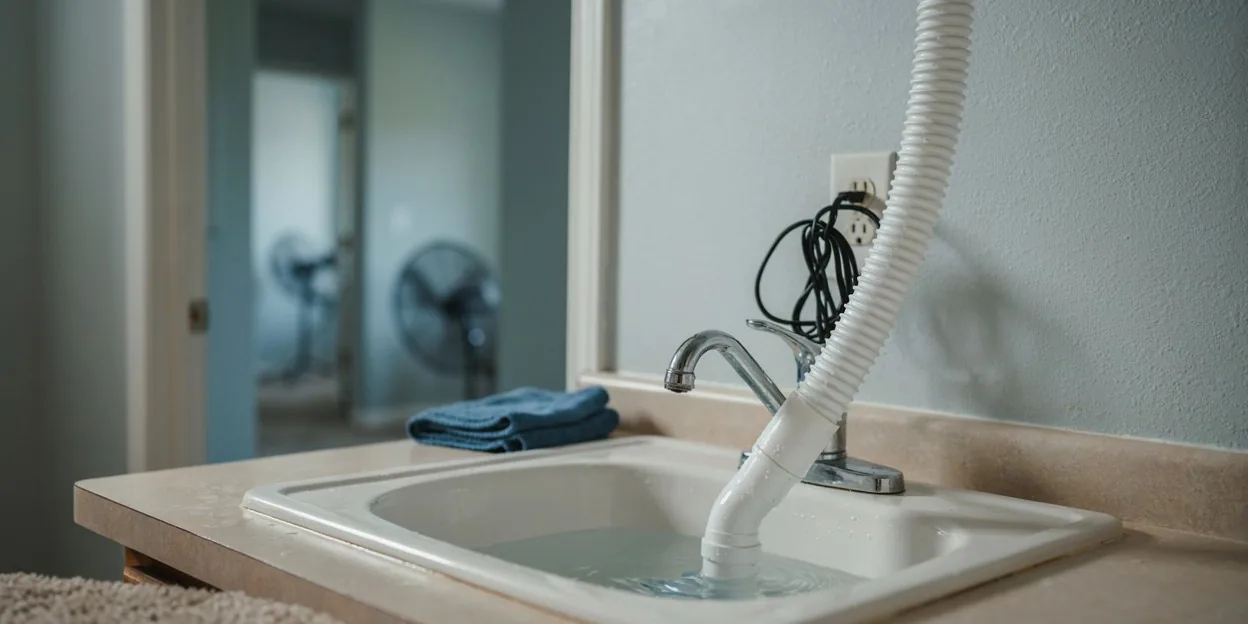
The plumber fixed the line on Thursday and you mopped the floor. By Sunday the baseboard in the hall had swelled, the laminate had lifted at one seam, and the closet smelled like a wet towel. The water you could see is gone. The water in the materials is not. This site routes your call to an independent local provider who does structural drying in Round Rock and the rest of Williamson County.
Why the hall baseboard swelled three days after the mop
Drywall wicks. Water on a slab floor climbs the paper face of the wallboard and soaks the bottom plate behind it, and the baseboard hides all of it until the paint bubbles. Laminate holds water in its core and in the foam underlayment. Cabinet toe kicks trap it. None of that dries with a box fan and an open door, and Central Texas humidity slows what little drying the air would do.
The provider walks the house with a moisture meter, marks the wet boundary on the wall, and sets air movers to push air across the wet surfaces. Dehumidifiers pull that moisture out of the room so it does not settle somewhere else. In a wall cavity that reads wet, they may drill small holes behind the baseboard line and push air in rather than open the whole wall.
What you can do before the equipment arrives
Keep the air conditioning running, because a cool, dry house helps and a hot, closed one does not. Pull the toe-kick covers if they snap off, and open closet doors and cabinet doors in the wet rooms. Do not paint over a stain or replace a baseboard yet. Photograph anything swollen or lifted. Then call and say which rooms were wet and when the leak stopped.
Drying a Round Rock house instead of gutting it
Drying is what keeps the job small. Drywall that reads wet but is not sagging or contaminated can often be dried in place. Cabinets can sometimes be dried from underneath. Engineered wood floors have a chance if the drying starts soon enough. Laminate, wet insulation, and the pad under carpet usually come out because they will not dry in any useful time.
Equipment normally runs for several days, and the crew comes back to take readings and move air movers as the wet boundary shrinks. The job ends when the meter says the materials are back at their dry target, not when they feel dry to the hand. Ask to see the final readings. If you have not had the standing water removed yet, that is water extraction, and it comes first.
Humid air, clay slabs, and the drying plan in Williamson County
Round Rock summers run humid, and a wet house does not get much help from opening windows. That is why the dehumidifier count matters more here than in a dry climate. The slab itself holds moisture too, and on the Blackland clay east of I-35 it can stay damp under the flooring longer than the drywall does. If the leak came from under the floor, the provider will want leak detection to confirm the line is fixed before drying starts.
Homes in the subdivisions built from the 1990s onward often have two stories with a bath over the living room, and a wet ceiling downstairs may mean a wet subfloor upstairs. Ceiling water damage repair covers that path.
Many Texas policies pay for drying after a sudden loss such as a burst line or a failed appliance. Gradual leaks are often excluded. The crew's drying log, with dates and readings, is the record your adjuster will read.
Call about a house that still smells wet
Be ready to say where the water came from, when it stopped, and which rooms it reached. Mention swollen baseboards, lifted flooring, or a musty smell. Call (512) 562-9101 and tell us what you notice.